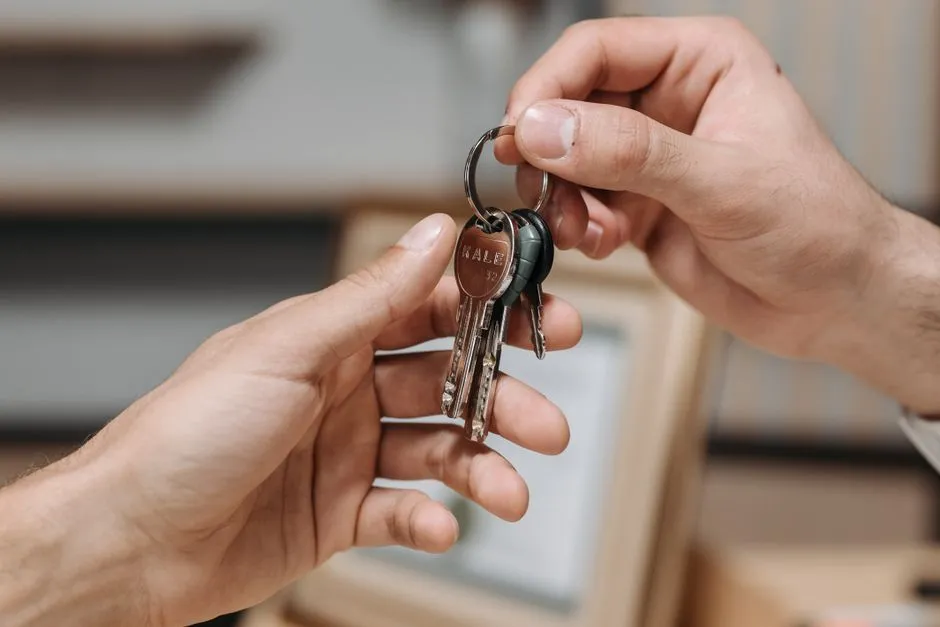
Vehicle donation programs that specifically serve U.S. military veterans cluster into three rough categories: large national charities that auction cars and use proceeds to fund veteran services, mid-sized regional charities that refurbish and place vehicles directly with individual veterans, and small local nonprofits that operate at the city or county level. Each model fits a different donor and a different recipient.
Large national programs (proceeds-based)
Organizations like Disabled American Veterans (DAV), Vietnam Veterans of America, and Wounded Warrior Project accept vehicles in any condition through auction partnerships. The donor gets a hassle-free pickup almost anywhere in the country and a 1098-C reflecting the auction proceeds. The veteran beneficiary does not receive a vehicle — they receive services funded by aggregated auction revenue: transportation grants, claims assistance, peer support programs.
This model works well if you want maximum donor convenience and trust the charity to deploy the cash effectively. It works less well if you specifically want a working car to end up with a working veteran.
Regional refurbish-and-place programs
Programs like Vehicles for Veterans, Cars 4 Heroes, Vets to Vets, and Veterans Inc. Vehicle Donation operate a different model. They accept running vehicles, perform safety inspections and minor repairs, and place the car directly with a vetted veteran applicant — typically one transitioning out of homelessness, leaving inpatient PTSD treatment, or starting a new job after a long unemployment spell.
Because each car serves one specific recipient, donor and recipient are matched closely. The charity will tell you the recipient's branch of service, general circumstances, and (usually) a first name. The donation experience takes longer — these programs do not accept every vehicle — but the impact is concrete and traceable.
Local programs
Most metro areas have at least one small veterans nonprofit running a vehicle program with five to thirty cars per year. They are harder to find — most do not advertise nationally — but they often have the shortest application-to-keys timeline because they only serve their immediate region. Veterans Service Organizations at the county level (every state has them) can usually point you to local programs.
Veteran-specific eligibility nuances
- DD-214 required for proof of service. If you do not have one, request it from the National Personnel Records Center (free).
- Discharge characterization matters. Most programs accept anything other than dishonorable. Some specifically welcome other-than-honorable veterans excluded from VA programs.
- Service-connected disability rating can move you up the priority list at most programs.
- Combat veterans are prioritized at programs explicitly serving wounded warriors, but most general veteran programs do not require combat service.
How donor choices flow to veteran outcomes
If you donate a 12-year-old Camry with 140,000 miles and a working AC, a refurbish-and-place program is the highest impact path — that car will likely run another 60,000 miles in the right hands. If you donate a 22-year-old Lincoln Town Car with rust and an oil leak, an auction program is the realistic path; the proceeds will buy a tank of gas for several veteran-services trips.
Both choices are legitimate. The mismatch happens when donors with great cars choose auction programs out of convenience, and the cars get sold to dealers for half their working value.
Veteran Wheels is independent editorial. This guide is for general information only and does not constitute tax, legal, or financial advice. Confirm current IRS rules with a qualified tax professional before relying on any deduction.